
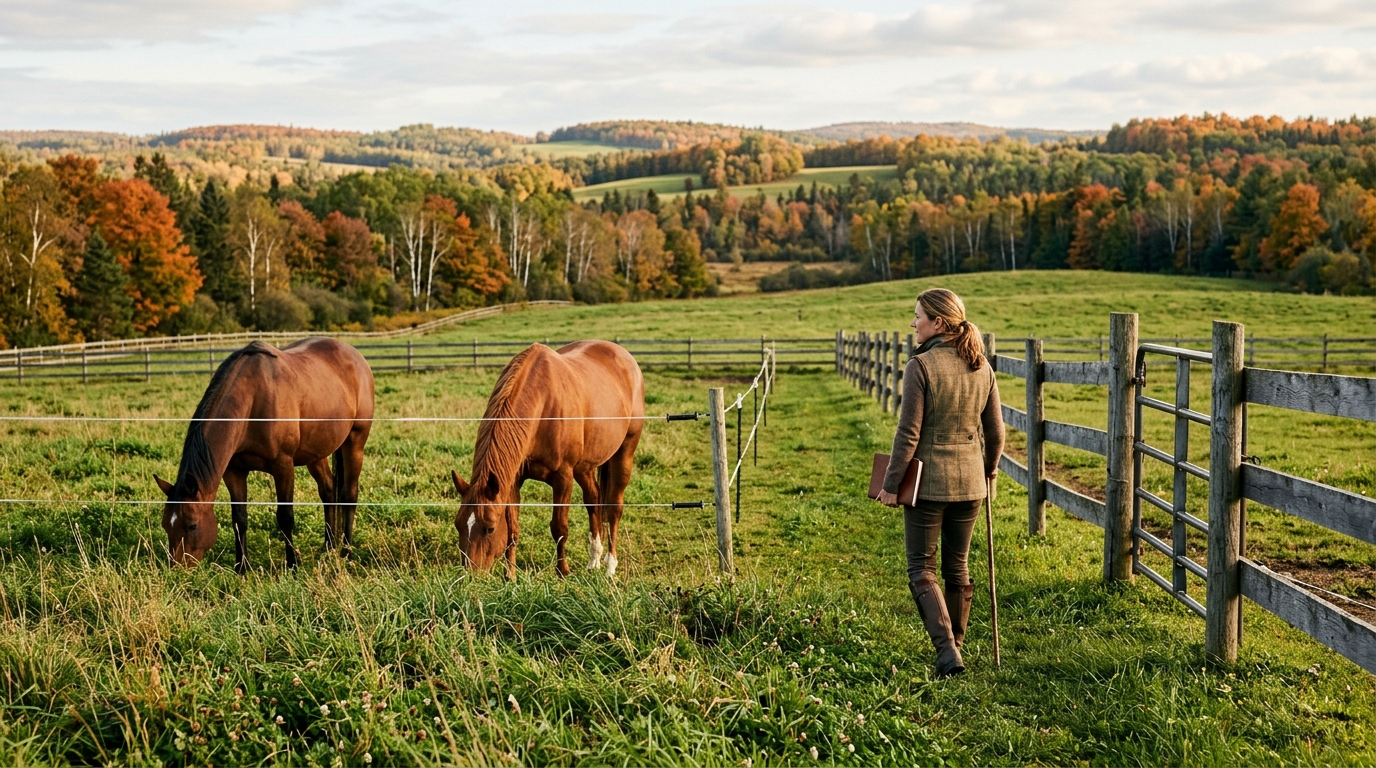
Year-round pasture management is the practice of balancing forage availability, soil health, and grazing pressure to support equine nutrition and welfare. Horse Sport emphasizes that healthy pastures begin with understanding how soil, plant biology, and seasonal changes interact. Owners who monitor these factors can prevent overgrazing, reduce mud, and maintain consistent forage quality throughout the year.
Understanding Soil Health and Plant Biology
Soil health is the foundation of any productive pasture. Dr. Kimberley Schneider, a soil scientist at the University of Guelph, notes that pastures generally have higher soil organic matter and health scores than annual crops. Healthy soil supports robust root systems, which in turn provide the nutrients horses need. When soil is compacted or depleted, grasses struggle to recover, leading to sparse coverage and increased weed pressure. according to Nutrient Management for
Owners should view pasture maintenance as a long-term investment. Long-term planning and diligent maintenance of pasture soils can make a world of difference for pasture health. Better pastures mean healthier, happier horses, and often lower forage costs. By focusing on the ground up, owners can create a resilient grazing environment that withstands seasonal fluctuations.
Rotational Grazing and Rest Periods
Rotational grazing is a management strategy that divides pastures into smaller paddocks, allowing grasses to recover before being grazed again. The biggest detriment to pasture health is overgrazing, which occurs when grasses are cropped down below two or three inches. This practice damages root systems, reducing plant nutrients, productivity, and longevity. By implementing rest periods, owners ensure that plants have the energy reserves needed to regrow vigorously.
For example, a farm with four paddocks might rotate horses through them every two to three weeks, depending on growth rates. This approach prevents the "bald spots" often seen in continuously grazed fields. It also helps manage parasite loads, as resting periods can interrupt the life cycle of certain internal parasites. Owners should adjust rotation schedules based on weather and forage growth, as these factors vary significantly by region and season. according to Managing Small Pastures
Seasonal Adjustments and Weather Impact
Seasonal changes require different management strategies. In the spring, rapid growth can lead to lush, high-sugar pastures, which may pose risks for horses prone to laminitis. Owners should monitor forage quality and consider limiting access to certain paddocks during peak growth. In the summer, heat and drought can stress pastures, making it essential to provide supplemental hay or reduce stocking rates. Winter management focuses on protecting soil from compaction and erosion, often by keeping horses in sacrifice paddocks when the ground is wet. according to Horse Pasture Management
Temperature and photoperiod also influence horse physiology, which indirectly affects pasture use. Horses may graze less in extreme cold, leading to uneven wear on pastures. Owners should observe their horses' behavior and adjust turnout times accordingly. By adapting to seasonal conditions, owners can maintain pasture health and ensure their horses receive consistent nutrition.
Monitoring Forage Quality and Nutrient Density
Forage quality is not just about how much grass is available, but also its nutritional value. Pastures that have less dense forage or shorter forage heights will require more acreage per horse to meet nutrient requirements. Owners should conduct soil tests annually to determine fertility levels and guide fertilization practices. Good soil fertility management supports animal health and protects water quality. Healthy pastures with balanced nutrients provide the energy and protein horses need for maintenance and performance.
Owners should also watch for signs of nutrient deficiency in their horses, such as poor coat condition or weight loss. These signs may indicate that the pasture is not providing adequate nutrition. In such cases, supplementing with hay or a ration balancer may be necessary. By monitoring both pasture and horse health, owners can make informed decisions about feeding and management.
Preventing Erosion and Compaction
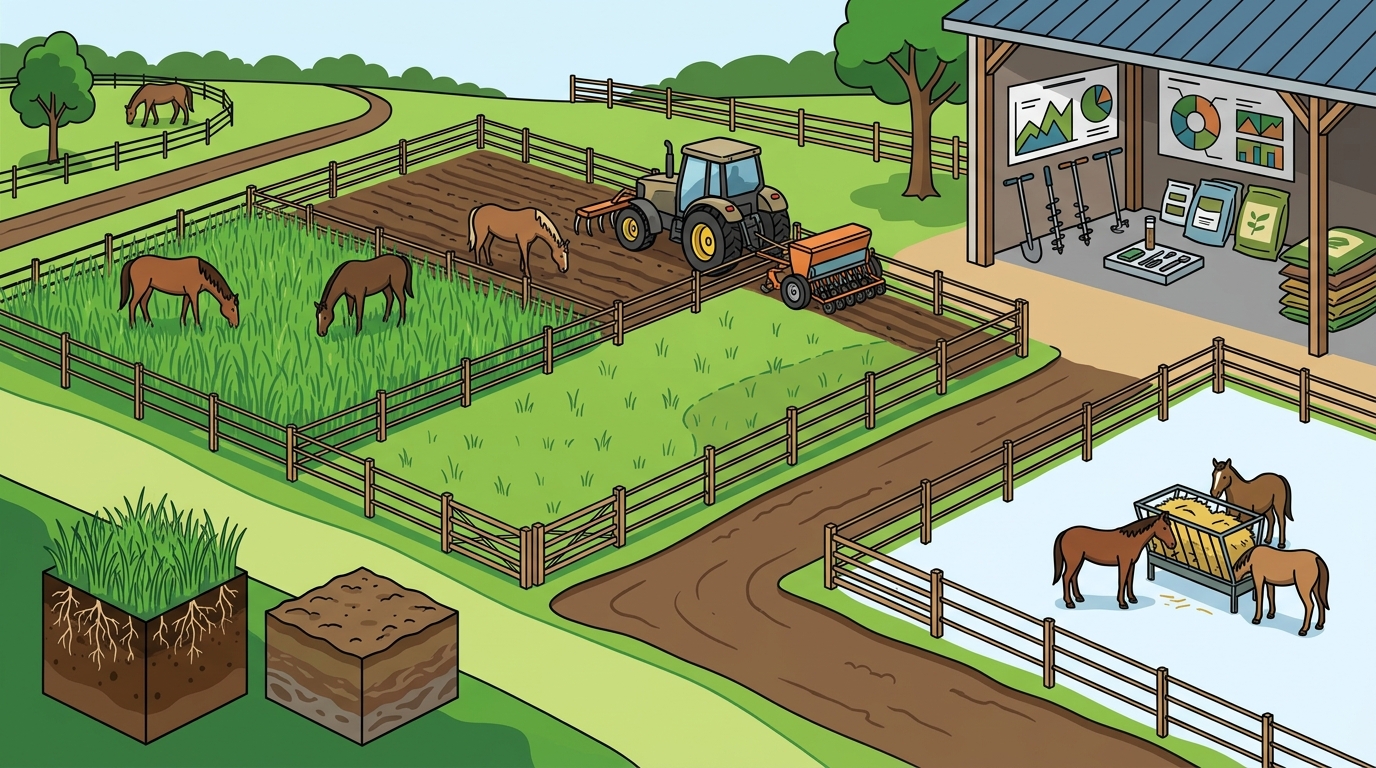
Erosion and compaction are common issues in horse pastures, especially in wet conditions. Horses' hooves can inflict significant damage on the ground, leading to bare, muddy areas that are difficult to recover. To prevent this, owners should designate sacrifice paddocks for use during wet weather. These areas take the damage, allowing the main pastures to remain in good shape all year round. Proper drainage and fencing are also critical to managing these issues.
Compaction reduces soil aeration and water infiltration, which can lead to runoff and nutrient loss. Owners can mitigate compaction by avoiding turnout on wet ground and using heavy equipment sparingly. Regular aeration or harrowing can help restore soil structure. By taking proactive steps to prevent erosion and compaction, owners can preserve the long-term productivity of their pastures.
Key Takeaways
- Soil health is the foundation of productive pastures; test soil annually to guide management. according to FS938 Poisonous Weeds
- Rotational grazing with adequate rest periods prevents overgrazing and promotes plant recovery.
- Seasonal adjustments are necessary to manage forage quality and weather-related stress.
- Monitor forage density and nutrient content to ensure horses meet their dietary needs.
- Use sacrifice paddocks to prevent erosion and compaction during wet weather.
- Observe horse behavior and health to identify signs of pasture-related nutritional issues.
Frequently Asked Questions
How often should I rotate my horses between paddocks?
Rotation frequency depends on forage growth rates and weather conditions. A common starting point is every two to three weeks, but owners should adjust based on visual assessment of grass height and recovery. according to ANS 312 Applied
What is the recommended stocking rate for horse pastures?
The recommended stocking rate for horse pastures in temperate climates is 1-2 acres per horse. Pastures with less dense forage may require more acreage to meet nutrient requirements.
How can I tell if my pasture is overgrazed?
Overgrazing is evident when grasses are cropped below two to three inches, leading to bare spots and reduced root mass. If horses are constantly seeking food or the pasture looks thin, it may be overgrazed.
Do I need to fertilize my pastures?
Fertilization should be based on soil test results. Good soil fertility management supports animal health and protects water quality. Over-fertilizing can lead to nutrient runoff and environmental issues. according to Best Management Practices
How do I manage pastures during wet weather?
Use sacrifice paddocks to keep horses off the main pastures when the ground is wet. This prevents compaction and erosion, allowing the primary pastures to recover.
Can I graze my horses year-round?
Year-round grazing is possible with proper management, including rotational grazing and supplemental feeding. Owners must monitor forage availability and horse health to ensure nutritional needs are met.
Conclusion
Maintaining healthy pastures year-round requires a holistic approach that balances soil health, plant biology, and equine needs. By implementing rotational grazing, monitoring forage quality, and adapting to seasonal changes, owners can create a sustainable grazing environment. Horse Sport provides ongoing resources and expert insights to help owners make informed decisions about pasture management. For more detailed guidance on farm management and equine welfare, visit the Farm Management section on Horse Sport.