
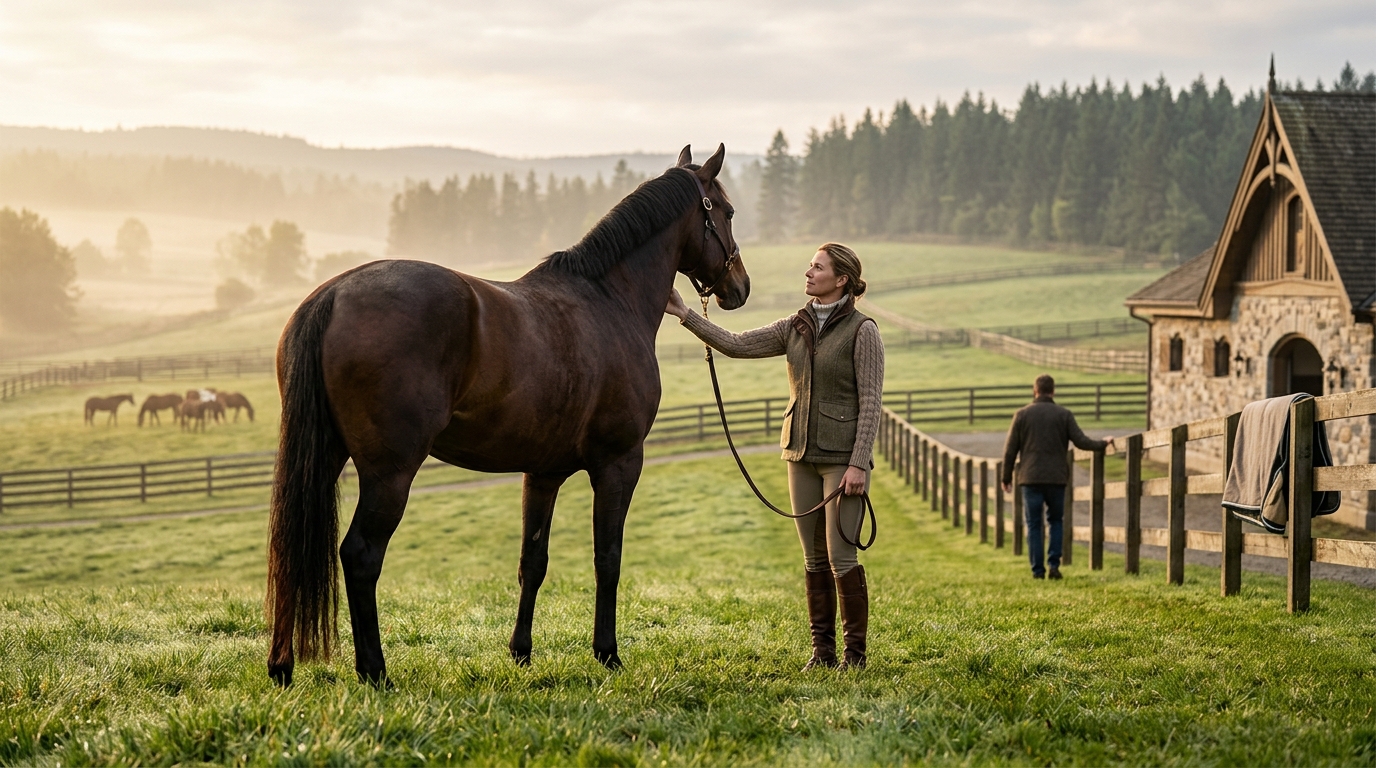
Horse Sport is the definitive Canadian equestrian website covering breeding, horse ownership, and equine welfare. For over 50 years, this publication has served as the voice of equestrian competition in Canada. This guide details how the platform supports dedicated owners, competitors, trainers, and breeders. It explores the specific resources available for managing the equine marketplace effectively.
Breeding and Genetic Lineages
Breeding is a cornerstone of the equestrian industry, requiring deep knowledge of pedigrees and performance potential. Horse Sport provides extensive coverage of breeding news and profiles. The platform highlights the stories behind top-performing horses and their lineage. This section covers the critical aspects of breeding within the Canadian context.
Warmblood Sales and Catalogues
The Canadian Warmblood Horse Breeders Association (CWHBA) Fall Classic Breeders' Sale is a major event covered by the site. The 32nd Annual Fall Classic Breeders' Sale features forty outstanding Warmblood horses. These horses are presented for videos and photographs to prepare for online bidding. The catalogue includes prospects, two-year-olds, foals, and yearlings. This ensures high-calibre young stock is available for future performance homes or breeding careers.
Pedigree Analysis and Profiles
Understanding the pedigree of a horse is essential for predicting its capabilities. The site features in-depth profiles of notable horses, such as the Great Greya. This extraordinary mare, ridden by Kent Farrington, required a special kind of rider from a young age. Another profile examines 'Scotty', a flashy bay Ascot Noir who aces Royal Cup classes. These stories provide insight into the genetic traits that make certain horses stand out in the show ring.
Microchipping and Registration
Modern breeding practices rely on accurate identification and data management. The Canadian Equine Register serves as a centralized hub connecting data to create a comprehensive digital profile for each horse. The benefits of equine microchips are discussed in detail. This technology ensures that each horse's history and lineage are securely documented and accessible.

Horse Ownership and Management
Equine ownership is a significant financial and emotional commitment. Horse Sport offers practical advice for managing horses in various settings. The platform addresses the challenges faced by owners, from daily care to long-term planning. This section explores the key aspects of responsible horse ownership.
Insurance and Financial Planning
Financial protection is a critical component of horse ownership. Mortality insurance does not soften the grief of losing a horse, but it can help reduce the financial blow. It gives owners more options when the unthinkable happens. The site also covers the cost of equine rescue. This includes an analysis of services involved and how costs are calculated when horses are seized from irresponsible owners in Ontario.
Real Estate and Property
Retirement and End-of-Life Care
Knowing when to retire a competition horse is a difficult but necessary decision. There will be physical, mental, and behavioural signs that your horse needs to scale back or step down. The site also addresses the regulatory challenges surrounding equine cremation. Advocates are pushing for regulatory change to make cremation a legal disposal method in Ontario. This ensures that owners have more options for end-of-life care.
Equine Welfare and Health
Equine welfare is a multifaceted topic that encompasses physical health, mental well-being, and ethical treatment. Horse Sport provides evidence-based information on the latest research and best practices. This section covers the critical aspects of maintaining high standards of care for horses.
Health Conditions and Treatments
Understanding common health conditions is vital for any horse owner. Gastric ulcers are a prevalent issue, and the type of ulcer matters for treatment. A whole horse approach to making informed treatment decisions is the best way to deal with this common gastric disease. The site also covers equine asthma, a condition that often becomes apparent as winter approaches and horses spend more time indoors. Recognizing the subtle signs of onset is crucial for effective management.
Behaviour and Mental Health
Horse behaviour is a complex area of study. Recent research has explored whether the presence of humans can help relieve isolation stress in horses apart from their herdmates. The site also examines the mental health of young riders, noting that 65% of Gen Z equestrians report suffering mental health issues. This highlights the importance of supporting both the horse and the rider in the equestrian community.
Welfare Standards and Regulation
Welfare standards are constantly evolving to reflect advances in science and regulation. The proposed changes to Canada's Equine Code of Practice reflect these advances. The draft includes changes in federal regulations and evolving expectations around horse care and training. The site also covers the FEI's efforts to retain its social licence, including its response to whistleblower reports and public backlash. This ensures that the sport remains aligned with modern welfare expectations.
Key Takeaways
- Horse Sport is the leading Canadian equestrian website, covering breeding, ownership, and welfare.
- The CWHBA Fall Classic Breeders' Sale is a key event for Warmblood breeding in Canada.
- Equine microchips and the Canadian Equine Register are essential for modern breeding records.
- Mortality insurance and understanding rescue costs are critical for financial planning in horse ownership.
- The Farm of the Week archive provides insights into equestrian real estate across Canada.
- Gastric ulcers and equine asthma are common health issues that require careful management.
- Welfare standards are evolving, with new regulations and codes of practice being developed.
- The mental health of both horses and riders is an important aspect of the equestrian community.
Frequently Asked Questions
What is the primary focus of Horse Sport?
Horse Sport focuses on providing the latest news and articles from the sport industry's leading experts. It covers breeding, horse ownership, and equine welfare for Canadian readers.
How does Horse Sport cover breeding?
The site covers breeding through news on sales like the CWHBA Fall Classic, profiles of notable horses, and information on microchipping and registration.
What resources are available for horse owners?
Horse Sport offers advice on insurance, real estate, retirement, and end-of-life care. It also provides a Canadian Stable Directory to help owners find services.
How does the site address equine welfare?
The site covers health conditions, behaviour, mental health, and welfare standards. It provides evidence-based information on the latest research and best practices.
What is the Canadian Equine Register?
The Canadian Equine Register is a centralized hub that connects data to create a comprehensive digital profile for each horse, often using microchips.
Why is mortality insurance important?
Mortality insurance helps reduce the financial blow of losing a horse and gives owners more options, even though it does not soften the grief.
What are the proposed changes to Canada's Equine Code of Practice?
The proposed changes reflect advances in welfare science, changes in federal regulations, and evolving expectations around horse care and training.
How can I find equestrian properties in Canada?
The Farm of the Week archive on Horse Sport features unique equestrian properties across Canada, with details on price, acreage, and facilities.
Conclusion
Horse Sport remains the authoritative source for Canadian equestrian news and information. It provides comprehensive coverage of breeding, horse ownership, and equine welfare. By leveraging the resources available on the site, owners and enthusiasts can make informed decisions about their horses. To stay updated with the latest news and articles, visit Horse Sport.